01
I am trying to avoid surgery.
Start with diagnosis, X-rays or MRI review, therapy, bracing, injections, PRP or BMAC questions, and a realistic talk about what can still be watched.
Fellowship-trained hip, knee, sports, and revision care in Hawaii
I am Dr. Paul Norio Morton. I grew up in Hawaii, and my job is to help you understand what is causing the pain, what your real options are, and how to get back to the life pain has been taking from you.
Online booking in about a minuteHMSA, Medicare & other major plansHonolulu · West Oahu · Hilo · KonaTelehealth for neighbor islands
Why patients come here




Which situation sounds most like you?
Most patients do not arrive with a clean diagnosis. Pick the situation that feels closest and use it as a starting point.
01
Start with diagnosis, X-rays or MRI review, therapy, bracing, injections, PRP or BMAC questions, and a realistic talk about what can still be watched.
02
If walking, stairs, sleep, golf, hiking, or work are getting smaller, we can talk through timing, robotics, approach, recovery, and whether surgery really fits.
03
Pain after replacement needs old records, new imaging, and a careful workup before anyone recommends another operation.
04
A pop, swelling, catching, locking, or giving-way knee needs a plan for the MRI, meniscus, ACL, cartilage, and return to activity.
05
Bring medication lists, fall concerns, stairs, transportation, home help, memory or hearing concerns, and the questions your family needs answered.
A clearer path forward
The strongest orthopedic care feels practical: what is wrong, what options are reasonable, what recovery asks of you, and when surgery, injections, therapy, or more testing makes sense.
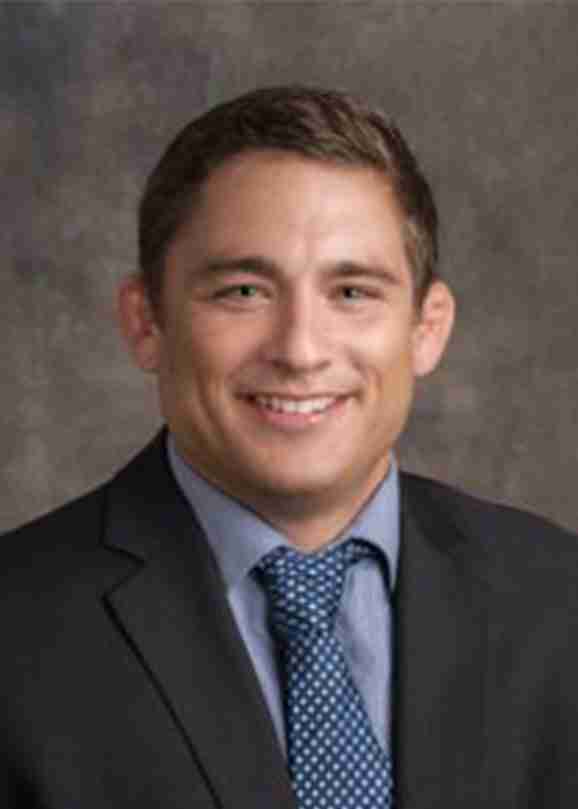
A personal note from Joint Replacement Hawaii
Dr. Morton grew up in Keaau, trained in hip and knee reconstruction, and built Joint Replacement Hawaii around a simple idea: use modern technology when it helps, keep the conversation clear, and treat patients with friendly, old-fashioned personal care.
Mahalo for entrusting us with your care.
Swipe, use the frame buttons, or press arrow keys while the section is focused.
The cards snap into place on larger screens, and the same story stacks normally on smaller screens.
Your first visit
01Patients often arrive after months or years of pain, swelling, stiffness, instability, or an implant that never felt right. The first job is to understand your story, review your imaging, and explain what is actually driving the problem.
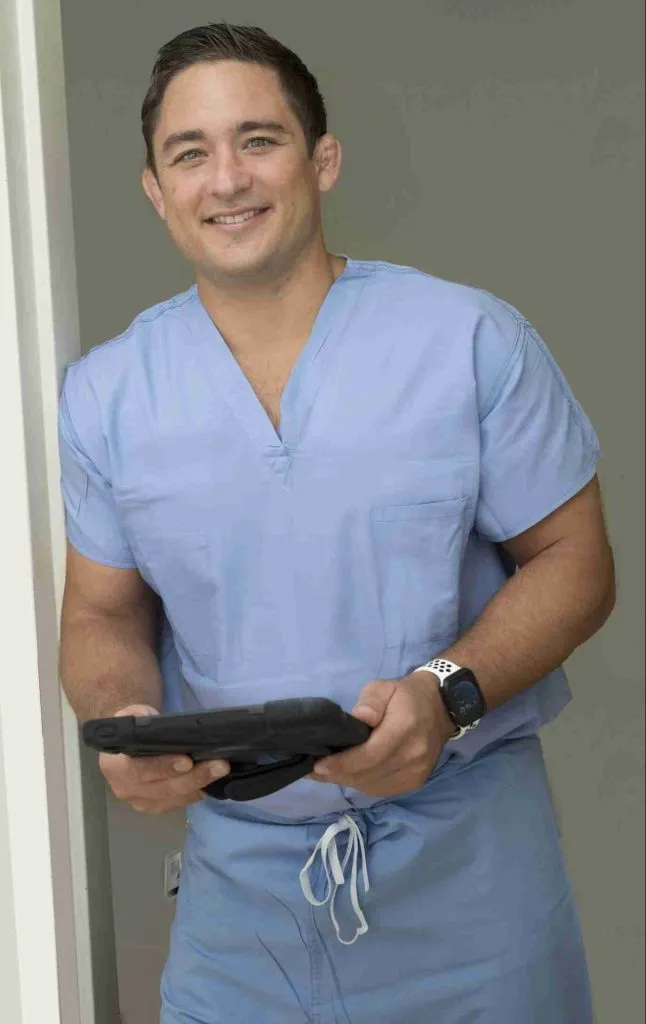
Hawaii-rooted care
02Dr. Morton was raised in Keaau on the Big Island and cares for patients across Oahu, Kona, Hilo, Kailua, and neighbor islands. The plan should account for where you live, who can help, how therapy will work, and when follow-up needs to happen.
Robotic hip and knee
03Robotic-assisted hip and knee replacement may help with patient-specific planning when it fits the case. Dr. Morton explains where technology helps, where it does not, and how the recommendation applies to your anatomy and goals.
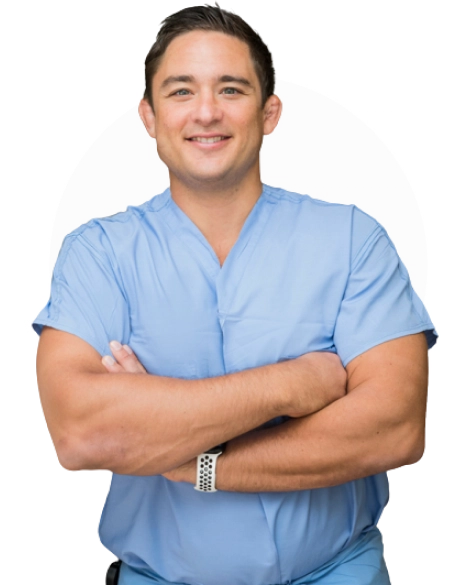
Revision answers
04Loosening, infection, instability, stiffness, wear, fracture, nerve pain, and spine problems can all create symptoms after joint replacement. Bring your old records so we can understand what changed and what still needs to be checked.
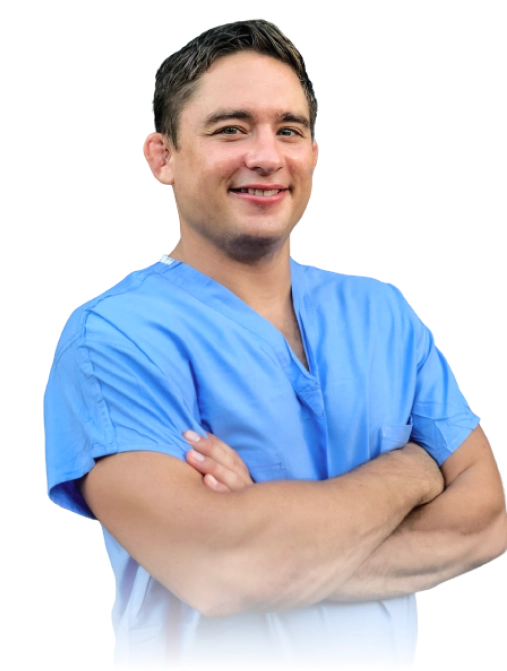
Recovery center
05The Recovery Centers turn Dr. Morton's guidebook and patient education into timelines, checklists, warning signs, and procedure-specific milestones for joint replacement, ACL, meniscus, BMAC, PRP, and revision care.
Older patients and caregivers
Many patients bring an adult child, spouse, or close friend because recovery is a family event. That is not a problem. It is smart planning.
01
Bring the person who helps with medications, rides, meals, stairs, wound checks, or remembering instructions. A second set of ears helps.
02
Think about loose rugs, bathroom setup, stairs, lighting, pets, walking aids, shower safety, and where you will sleep the first few nights.
03
Call for worsening wound redness, drainage, fever, severe swelling, a fall, medication confusion, or symptoms that do not match your instructions.
04
Chest pain, shortness of breath, fainting, stroke-like symptoms, major deformity, or dangerous symptoms need emergency care.
Start where you are
Hip and knee replacement
You may be dealing with bone-on-bone pain, trouble walking, sleep disruption, or fear that surgery is the only option. We will slow the decision down and sort out what actually fits.
Sports knee care
A pop, twist, or knee that gives way can change how you move. I help patients understand the injury, the MRI, and what it will take to get back to work, sport, or daily life.
BMAC, PRP, and injections
Many patients ask about PRP or BMAC because they want to stay active and avoid surgery if they can. I am happy to talk about it honestly, starting with the diagnosis.
Revision expertise
Pain after replacement deserves a careful explanation before another operation. Bring your old records so we can understand what changed.
General orthopedics
You do not need to diagnose yourself before scheduling. We can help sort out hip, knee, shoulder, fracture, injury, tendon, back, or prior-treatment questions.
Before you book
Joint Replacement Hawaii has always asked practical questions before the appointment because the details matter: what hurts, where it hurts, what you have tried, and what life activity you want back.
01
02
03
Step 01
Hip pain, knee pain, injury pain, back pain, tendon pain, and implant pain can overlap. My job is to listen, examine, review the images, and make the source clearer before we choose a treatment.
Listen, examine, image, explain
Bring your images, records, prior treatment history, and the activities you want back.
01
Step 02
Robotic-assisted hip and knee replacement can help with planning and precision for the right patient. The surgeon still makes the decisions. The plan still has to fit your anatomy, health, goals, and recovery situation.
Robotic hip, robotic knee, partial knee
Bring your images, records, prior treatment history, and the activities you want back.
02
Step 03
I grew up in Kea'au on the Big Island. I know that travel, family help, therapy access, follow-up, slippers, stairs, and getting home safely are not side details. They are part of the plan.
Oahu, Big Island, neighbor islands
Bring your images, records, prior treatment history, and the activities you want back.
03
Step 04
A painful hip or knee replacement can come from loosening, infection, instability, stiffness, wear, fracture, soft tissue pain, the spine, or another source. We review the records and work through it carefully.
Old records, new answers
Bring your images, records, prior treatment history, and the activities you want back.
04
Step 05
The recovery centers turn my patient education and the PBJ Rapid Recovery system into practical checklists, timelines, warning signs, and instructions patients and families can actually use.
Joint replacement, ACL, meniscus, BMAC, revision
Bring your images, records, prior treatment history, and the activities you want back.
05
Patient recovery centers
Recovery is different after a joint replacement, ACL reconstruction, meniscus procedure, arthroscopy, injection, or revision operation. You can preview each pathway here, and my patients receive the detailed checklists, timelines, medication reminders, warning signs, and printable summaries that match their care.
Preparation, the first 72 hours, walking, swelling, wound care, and milestones.
Approach-specific questions, precautions, sleep, walking, and return to activity.
Swelling, range of motion, therapy, pain control, and return to life.
Prehab, early motion, strength phases, confidence, and return-to-sport criteria.
Repair versus trimming, crutches, motion, swelling, and activity progression.
Injection-day instructions, activity changes, response tracking, and expectations.
Care across Hawaii
Kona, Hilo, Honolulu, Kailua, West Oahu, and neighbor island patients need help with imaging, travel, consultation timing, caregiver planning, surgery location, and follow-up.
West Hawaii patients planning arthritis, sports, BMAC, or revision care.
East Hawaii patients coordinating imaging, records, travel, and follow-up.
Town patients comparing consultation, robotics, recovery, and surgery logistics.
Windward Oahu patients planning evaluation, therapy, and recovery support.
Patient guides
People find this practice because the education is useful: painful implants, golf, yoga, ACL recovery, uncemented knees, avascular necrosis, meniscus care, and regenerative medicine.
Dr. Paul Norio Morton
I grew up in Kea'au on the Big Island and returned home after fellowship training in adult reconstruction. I use modern technology when it helps, but I still believe in listening carefully, explaining the choices plainly, and caring for people the way I would want my own family cared for.
Mahalo
Whether you need surgery, an injection, a second opinion, or simply a better explanation, start with a focused orthopedic visit.
Real patient questions
Most people do not arrive knowing whether they need a hip replacement, an ACL reconstruction, an injection, therapy, or a second opinion. The first job is to make the problem clearer and give you a plan that fits real life in Hawaii.
Dr. Paul Norio Morton
Board-certified, fellowship-trained, Hawaii-raised orthopedic care for hip, knee, sports, injections, revision, and recovery planning.
01
Start with an orthopedic consultation. You should not have to choose the treatment lane before someone listens, examines you, and reviews the images.
02
Age alone is not the decision. We talk through health risks, medications, home help, stairs, transportation, and whether surgery is even the right next step.
03
Come into the conversation early. Caregivers help with records, medication lists, transportation, home safety, stairs, follow-up, and remembering the questions that matter after the visit.
04
That is a reasonable goal. We can compare therapy, bracing, medications, injections, PRP or BMAC questions, and when waiting is safer than operating.
05
A good plan should connect the treatment to the life you want back. Recovery milestones, activity pacing, swelling, strength, and confidence all matter.
06
Pain after replacement deserves a careful workup. Bring old operative records, implant information, X-rays, labs, and the story of what changed.
Practical guides for real life
I have written these guides to answer the questions that come up at home: how to prepare, what recovery may feel like, when activity is safe, why an implant may hurt, and how to think honestly about injections and regenerative options.
Why patients trust the plan
I believe patients deserve personal care, a clear explanation, and modern tools used for the right reasons. That may include robotic planning, a muscle-sparing approach, detailed recovery education, or simply an honest conversation about why surgery is not the next step.
01
Patients come here because they want someone to listen, explain the images, and help them choose a plan that fits their life, not just their X-ray.
02
Robotic-assisted hip and knee replacement is discussed as a planning tool when it fits the patient, with surgeon judgment guiding the decision.
03
The recovery center keeps the practical JRH education promise alive: timelines, warning signs, home planning, and checklists patients can use.
04
Reviews, patient videos, recognition, and guide content should sit near the decisions they support: hip, knee, revision, sports, injections, and recovery.
Patient trust
The right plan starts with diagnosis, imaging, timing, approach, implant questions, recovery support, and whether surgery is truly the next step.
01
02
03
Patient video stories
Patient videos answer a different question than a procedure page: what the experience felt like, what recovery required, and what people hoped to return to.

Partial knee replacement
A patient story about getting back to work and daily life after partial knee replacement.

Total knee replacement
A knee replacement story that helps patients understand pain control, recovery, and the decision to move forward.

Active fracture recovery
A reminder that orthopedic care is about getting people back to the parts of life they miss most.
Recognition
Awards, focused training, and Hawaii-specific care planning help patients compare trust before they schedule.